

When caring for teachers becomes real public policy
For years, the education system has focused on quality, coverage, academic results, and standardized assessments. Yet rarely has it addressed with the same depth an essential element: the teacher’s holistic well-being.
A teacher does more than teach content.
A teacher manages emotions, resolves conflicts, supports family processes, listens to personal concerns, contains crises, motivates life projects, and often sustains entire communities from the classroom.
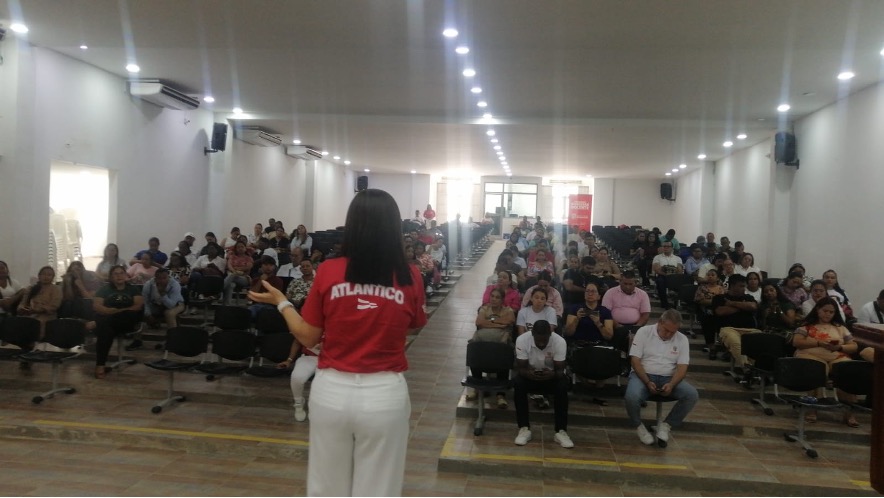
That is why the Teacher Well-Being Project was created — an initiative developed in the Department of Atlántico that placed educators at the center of the educational strategy. More than 4,700 public-school teachers in Atlánticoparticipated in an unprecedented training process, focused not on teaching them how to teach… but on helping them live better so they can teach better.
The premise was clear:
student well-being begins with the emotional, mental, and financial health of the teacher.
The program went beyond traditional training. It was designed as a comprehensive human-development experience, where educators strengthened personal, technological, and productive skills through a diverse academic offering — ranging from anxiety management and mental hygiene in teaching practice, to artificial intelligence tools, podcast creation, photography, entrepreneurship, and personal finance.
Frequently overlooked dimensions of teacher development were also addressed: physical health, ergonomics, body activation, healthy cooking, sports, experiential painting, and handcrafted product creation. Because education also requires emotional balance, creativity, and a life project.
The result was much more than a course.
It became a process of professional reconnection.
Many teachers not only acquired new digital competencies — such as Excel, Canva, and virtual store creation — but also rediscovered personal talents, started small businesses, strengthened their financial stability, and, above all, regained motivation for their vocation.
The Teacher Well-Being Project demonstrated a fundamental truth:
education does not improve only through curriculum reforms; it improves when teachers once again feel like people, not only public employees.
Investing in teachers is not social spending.
It is a structural strategy for educational transformation.
And in Atlántico, it became clear that when teachers are cared for, the entire school is strengthened.

